Rousham Park

 On our homeward journey from the garden makeover, we called in at Rousham House and Garden. As members of the Campaign for the Protection of Rural England (CPRE), we were entitled to a '2 for 1' entry to see the gardens designed by William Kent. The entrance fee was £8 per person (so £8 for the two of us). No children under 15 are allowed although we did see several babies being carried in slings.

Topiary at Rousham Park

Monty Don, one of a relatively small band of 'famous' people living in Herefordshire, has described Rousham Park/Garden as the best landscape garden in the country.

Hard landscaping, in the form of statues, terraces, temples, follies and pools, is a feature of this garden which is set beside a bend in the River Cherwell. The house, built in 1635, is still owned by the same family (Dormer-Cotterell) and can only be viewed by appointment. So, we contented ourselves with a walk round the garden.

In addition to the many statues, etc, there are woodland and riverside walks as well as more formal gardens, a double-walled kitchen garden and the family church to investigate. The gardens are set in parkland but I think this area is out-of-bounds to visitors - a fine herd of English Longhorn cattle could be seen from the drive.

After a gentle stroll through the woodland, we headed for the walled garden to see what flowers, fruit and vegetables were on display. From the bowling green in front of the house, we entered a very impressive (size-wise) walled garden though, disappointingly, about half the area was lawn and there was no sign of vegetables! In the centre was a pool (several newts spotted) where Mary sat and got her watercolours out...

Mary painting at Rousham Park

This was the scene she was painting...

Walled Garden at Rousham Park

From the centre pool, two paths radiated out lined with apple trees...


It was very peaceful and we tarried awhile before heading off to find the vegetable garden next door - in its own walled garden - though not much doing at this time of the year.

There was an interesting knot garden (box hedging) near the Dovecote...

Knot Garden - Rousham Park

...and a two wonderful displays of tulips near the greenhouse...

Tulip display at Rousham Gardens

Tulip display at Rousham Gardens

We certainly enjoyed our visit and it was definitely worth the £8 entrance fee we paid - in truth, it was probably worth double that! And, there will be more to see at different times of the year. Is it the best landscape garden in Britain, as Monty Don says it is? There is a lot of competition and we haven't visited most of them. We were slightly underwhelmed by the experience but we may not have seen it at its best.


Another Garden Makeover

Mary & I have been away for a few days visiting our son and his girlfriend in their new house; partly, to help out with a garden makeover and, partly, for a family get-together when both daughters and their families visited. We arrived with plants, compost, garden tools; ready to help transform the space.

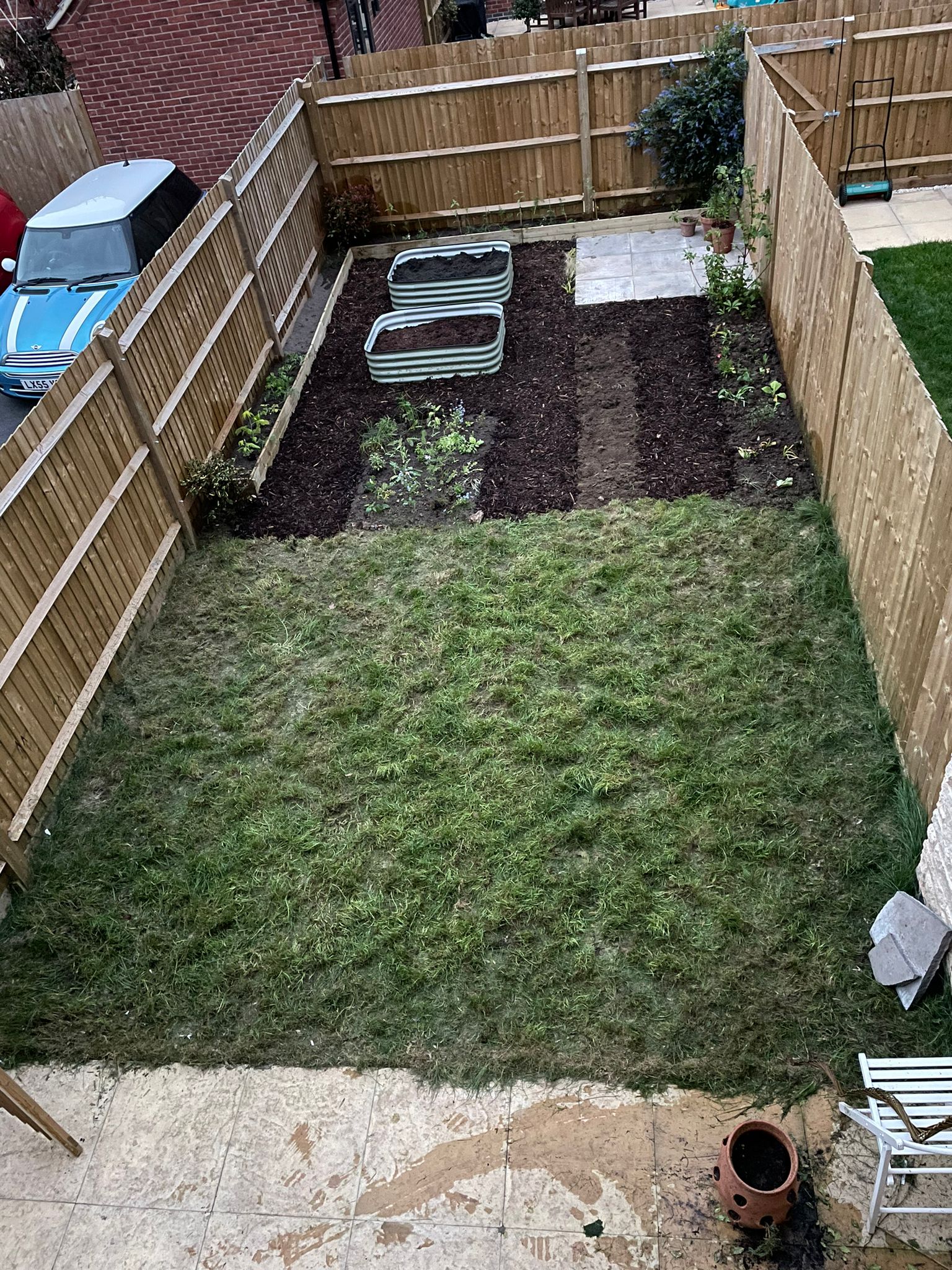
The garden was typical of new-build estates; about 15 feet wide by 35 feet long with a small paved patio nearest the house. The housebuilder had turfed the area on a topsoil base of ~4 inches (or 10 cm). The grass had grown to 8-12 inches with most of that growth lying flat! So it looked green but underneath the low-lying grass had turned brown so it wasn't going to look pretty after cutting.

Garden a few months after moving in

All form and function decisions were made by the youngsters - we just provided free labour, free advice and free plants in exchange for free bed and board. The food was delicious! Apart from the specifics - paved seating area at the far end of the garden, lots of all-year-round colour, and an area for vegetables and fruit - the design was fairly flexible and always up for discussion!

Day 1: Cut the grass with shears and a strimmer. Install a narrow L-shaped raised bed around the perimeter, and fill it with overturned grass turves and some local bought-in topsoil. Dig up some bushes (Ceanothus, variegated Holly and Photinia) from the front garden* and replant them in the middle and at both ends of the new raised bed. The corrugated raised beds had been assembled before we arrived so just had to be placed in position and filled with overturned turves and fresh topsoil. Make a start on the small patio area at the end of the garden using reclaimed concrete slabs. Dig 'island' plot for flowers and herbs; basically, just turn over the grass turf and add some topsoil. At the end of the day, the garden looked like...

Garden at the end of Day 1

Day 2: Finish patio area and prepare another bed on the right-hand-side (it turned out Mary had brought quite a lot of plants!). Plant up raised bed with raspberries and sweet peas. Relocate another plant (Dogwood) from the front garden to the back garden and plant the rhubarb. Put down bark over some of the paths. Much of Day 2 was taken up with the family visit; we walked across fields filled with ewes and lambs to the village fete at the local parish hall and had some success in the raffle and at the tombola. At the end of Day 2, the garden looked like...

Garden at the end of Day 2


Day 3: We departed mid-morning so did not contribute much; just added a few more plants and removed a small wasp's nest from the shed before heading off home. The youngsters still found time to dig another bed (for courgettes), complete the grass strimming and put down some more bark paths. At the end of Day 3...

Garden at the end of Day 3


* The developers of the housing estate, or their gardening subcontractors, had done a decent job of planting up the front gardens and public areas in order to sell the houses. A good range of bushes had been planted albeit too close together because they were aiming for that instant impact. So thinning out the bushes in the front garden and transplanting some to the back garden was a win-win situation.

The original plan was to get rid of the grass altogether (thus obviating the need for a lawnmower). At some point, the patio adjacent to the house will be extended, further reducing the lawn area. The fate of the remaining lawn will be decided later. Best to live with the changes for a while before planning the next stage.

We had a great time and returned home a little tired but happy. We will be back to see the garden as it develops over the coming months.

Common Hill Nature Reserve - April Update

 Sunday 24th April 2022 and time to revisit Common Hill Nature Reserve. April has been cool and dry in Herefordshire but today was sunny with a cool NE wind - maximum temperature of 19 ℃ in our Hereford garden - somewhat cooler at Common Hill though pleasant enough in the sunshine.

And what a transformation from our last visit in March as we entered North Meadow... 

View from the entrance to North Meadow (24/4/22)

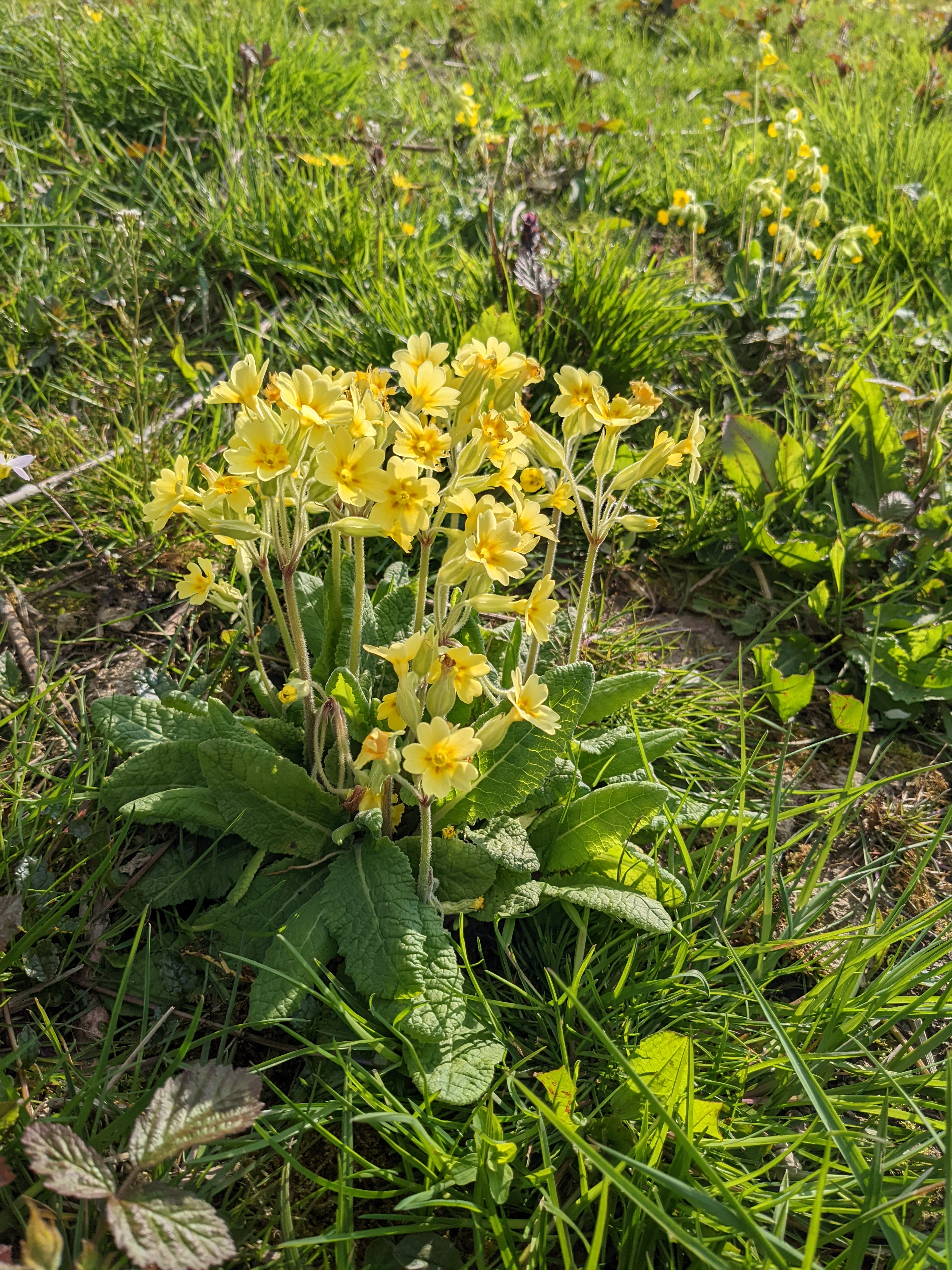
A green carpet speckled with cowslips and early purple orchids...

Cowslips and Early Purple Orchids - North Meadow (24/4/22)

Cowslip, North Meadow (24/4/22)


Early Purple Orchid, North Meadow (24/4/22)

Looking back towards the North Meadow entrance from the corner of the orchard, the trees and fields are greening up nicely...

North Meadow looking back to the entrance with Wales in the distance (24/4/22)

...as we walked along the top ridge of North Meadow we spotted a few garden invaders amongst the cowslips; these may have already hybridized with primroses and cowslips as they seem to need very little encouraged to cross with each other...


...finally, we reach the exit to North Meadow looking back from whence we came and toward Haugh Woods...


 ...and, as we sat on the bench to enjoy some lunch, we were joined by a silent song thrush (female?) admiring the same view...
Song Thrush, North Meadow (24/4/22)

Moving across the lane into Monument Hill, Mary has spotted something...

Looking up Monument Hill (24/4/22)

...and then looking down Monument Hill...

 
Looking down Monument Hill (24/4/22)


...where we exited the nature reserve and took a detour to Lea & Paget's Wood (see next post).

On returning to Common Hill, we entered Round's Meadow from the bottom lane, climbing over the gate - a stile would be useful here! Primroses and cowslips were clearly in evidence...

Looking up Round's Meadow from the bottom lane

One delight was finding oxlips and cowslips in the same place. We had visited Joan's Hill Farm just over a week ago lured by the promise of cowslips and oxlips but finding none of the latter. Mary (the biologist) would describe the similarities/differences and I (the chemist) would just say it would be nice to see them next to each other to compare directly. Hey presto...

Cowslip (foreground) and False Oxlip (background) in Round's Meadow (24/4/22)

Close-ups of the cowslip...
 
Cowslip at Round's Meadow (24/4/22)

...and oxlip...


False Oxlip at Round's Meadow (24/4/22)


[Edit: the original post identified the False Oxlip (Primula veris x vulgaris) as Oxlip or True Oxlip (Primula elatior). I corrected this mistake on 9/6/22: see here for more info]


Flora (flowering):
  • Cowslip
  • False Oxlip
  • Cuckooflower (Lady's Smock)
  • Cuckoo-pint (Lords-and-Ladies)
  • Celandine
  • Dandelion
  • Dog's Mercury
  • Common Dog-violet
  • Sweet violet
  • Early Purple Orchid
  • Germander Speedwell
  • Bluebell
  • Ground Ivy
  • Apple blossom
  • Bugle
  • Wood spurge
  • Jack by the Hedge (Hedge garlic, Garlic Mustard)
  • Field Wood-Rush
  • Wild Strawberry
  • Barren Strawberry
Fauna:
  • Robin
  • Chiffchaff
  • Song Thrush
  • Blue Tit
  • Blackbird
  • Pheasant
  • Crow
  • Orange-tip Butterfly
  • Peacock Butterfly
  • Red-tailed Bumblebee (Queen)
  • Buff-tailed Bumblebee (Queen)

The Cart Shed and Broxwood Court


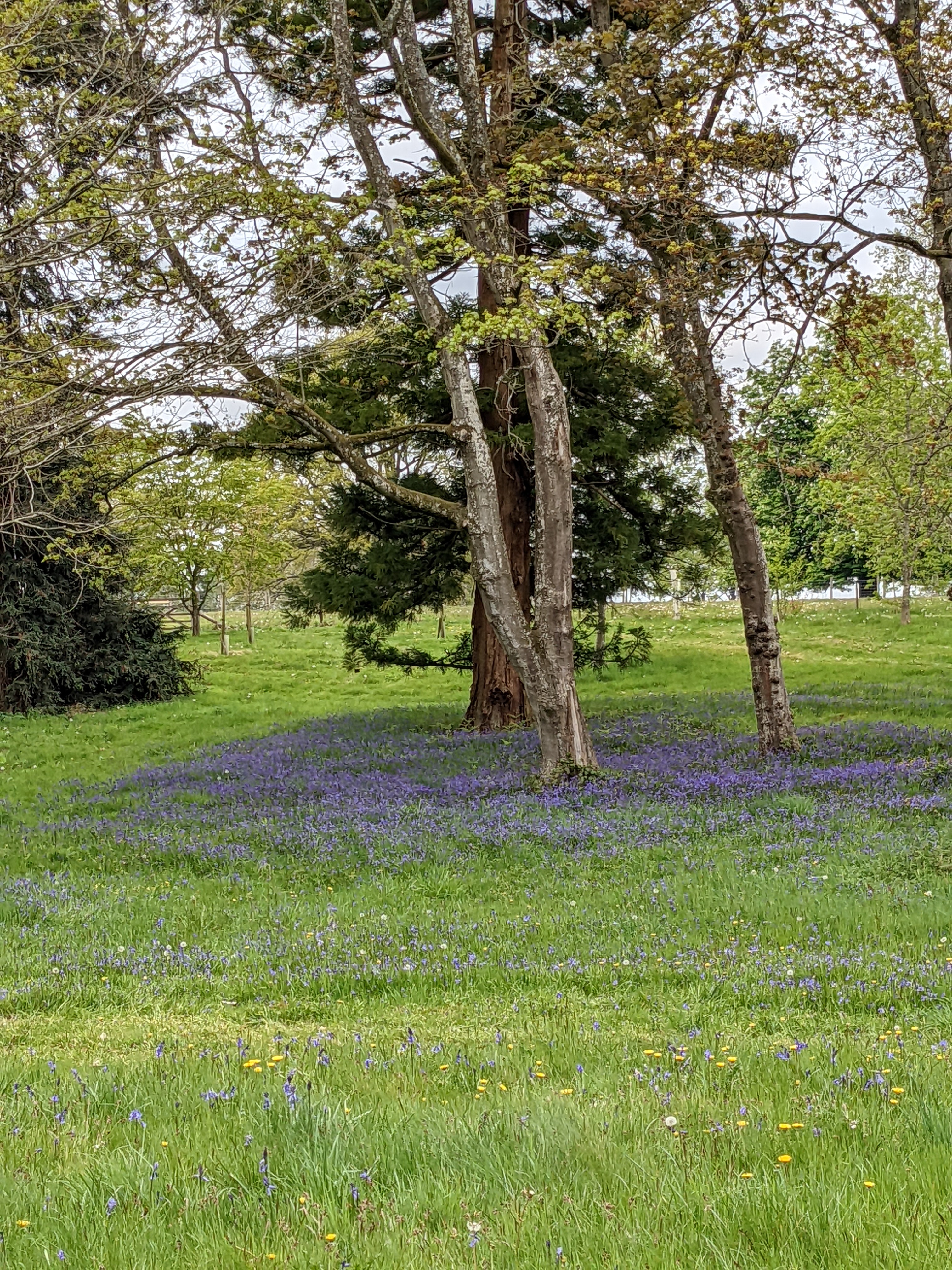
Bluebells at Broxwood Court (27/4/22)

Today (27/4/22), we had a short ride out into the beautiful Herefordshire countryside - a mixture of greens (pasture) and yellows (oilseed rape) - to visit Broxwood Court, near Pembridge. The occasion? A Spring Plant Fair to raise funds for The Cart Shed, a local charity helping adults and young people with mental health issues.

Broxwood Court gardens are not generally open to the public so this was an opportunity to have a look around and buy a few plants - mainly wildflowers - for our garden. It was a bit chilly but lunch was good.

Pet Hate #1

In a recent edition of the Herefordshire Council's residents' magazine, there was an article on recycling. I think there is always an article on recycling, probably because we are, as a County, so bad at it. It included a useful summary of what can and cannot be recycled (see below), an item on reusable nappies (no longer relevant), a request for more people to compost (preaching to the converted) and some  information on Repair Cafes.


So far, so good. However, the introduction contained this paragraph:

'Each year the recycling companies we work with have to reject nearly 3000 tonnes of materials which are not recyclable through our recycling service. That's enough to fill over 250 bin lorries. This material cannot be processed for recycling, can slow down or block up the sorting machinery and ends up in landfill.'

Can you spot the bugbear and one of my pet hates? Although the paragraph contains some facts and figures, they are of little value without context. My first question? Is 3000 tonnes a big number or a small number? It would be so easy to provide this information: either by stating the total tonnage of material sent for recycling each year or to express the 3000 tonnes as a percentage of the total tonnage.

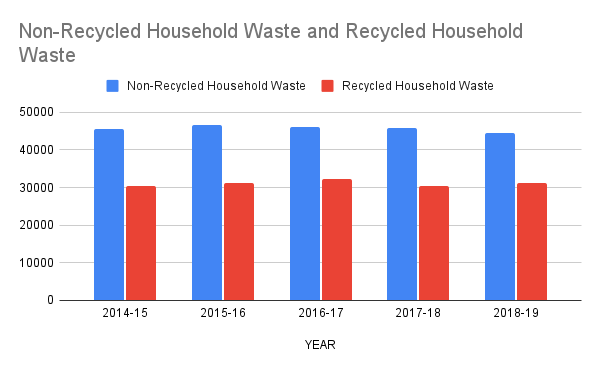
So it is off to the Herefordshire Council website and their Waste Managmemt page. Another disappointment as the waste & recycling data only covers 5 years up to 2018-2019. [Cue Freedom of Information (FoI) request sent to Herefordshire Council for more recent data]. Here are the data (in tonnes) summarised as a bar graph:

Tonnes of waste & recyclable material collected by Herefordshire Council

Over this 5-year period, the annual amounts of waste (~46,000 tonnes) and recyclables (~31,000 tonnes) are remarkably (and disappointingly) constant. Only 40% is recycled. And that is with a very simple household recycling scheme where all recyclables (see top of page) go into one bin (i.e. no sorting by the householder). Through the Council's roadside collection, I estimate my recycling rate is above 75%.

At least we now have the necessary context to put that figure of 3000 tonnes of recyclable material which is diverted to landfill because it has been contaminated with non-recyclables*. It represents about 9% of total recyclable material recovered via roadside collections and could increase the recycling rate from 40% to 44%.

*Main contaminants are black plastic, soft plastic (bread/carrier/freezer bags), cling film, nappies (ugh, if used), food (messy and so easy to compost), textiles and electrical goods (!? - small appliances, batteries and charging cables)

As an aside, I was surprised to see the contaminated recycling material was sent to landfill. Herefordshire shares a newish waste-to-energy incinerator with its neighbour, Worcestershire which opened in 2016. I am not a fan of incinerators (unless they come with carbon capture) but it may be a better option to landfill as long as the scrubbers and filters are working properly. It is a controversial topic and one I don't have time to cover in the post. The next bar graph summarises the % waste material (tonnes) sent to landfill over the 5-year period for which data are publically available on the Herefordshire County website.

% Waste sent to Landfill (tonnes)

Once again, we need more up-to-date information. [Cue Freedom of Information (FoI) request sent to Herefordshire Council for more recent data]. Why did the percentage going to landfill increase in 2018-19? Did this trend continue or was it a blip? Was more recyclable material going to landfill? Had the permitted capacity of the incinerator been reached? A permit to increase capacity from 200,000 tonnes to 230,000 tonnes was granted in 2019. I will update if I get any useful information from my FoI requests.

To summarise, one of my pet hates are sources (e.g. newspapers, BBC, local authorities, governments, the bloke you met in the pub) who provide information that is irrelevant and/or insufficient to support a position, viewpoint or argument. While, also, preventing you from making any rational judgement as to the validity of said position, viewpoint or argument. 


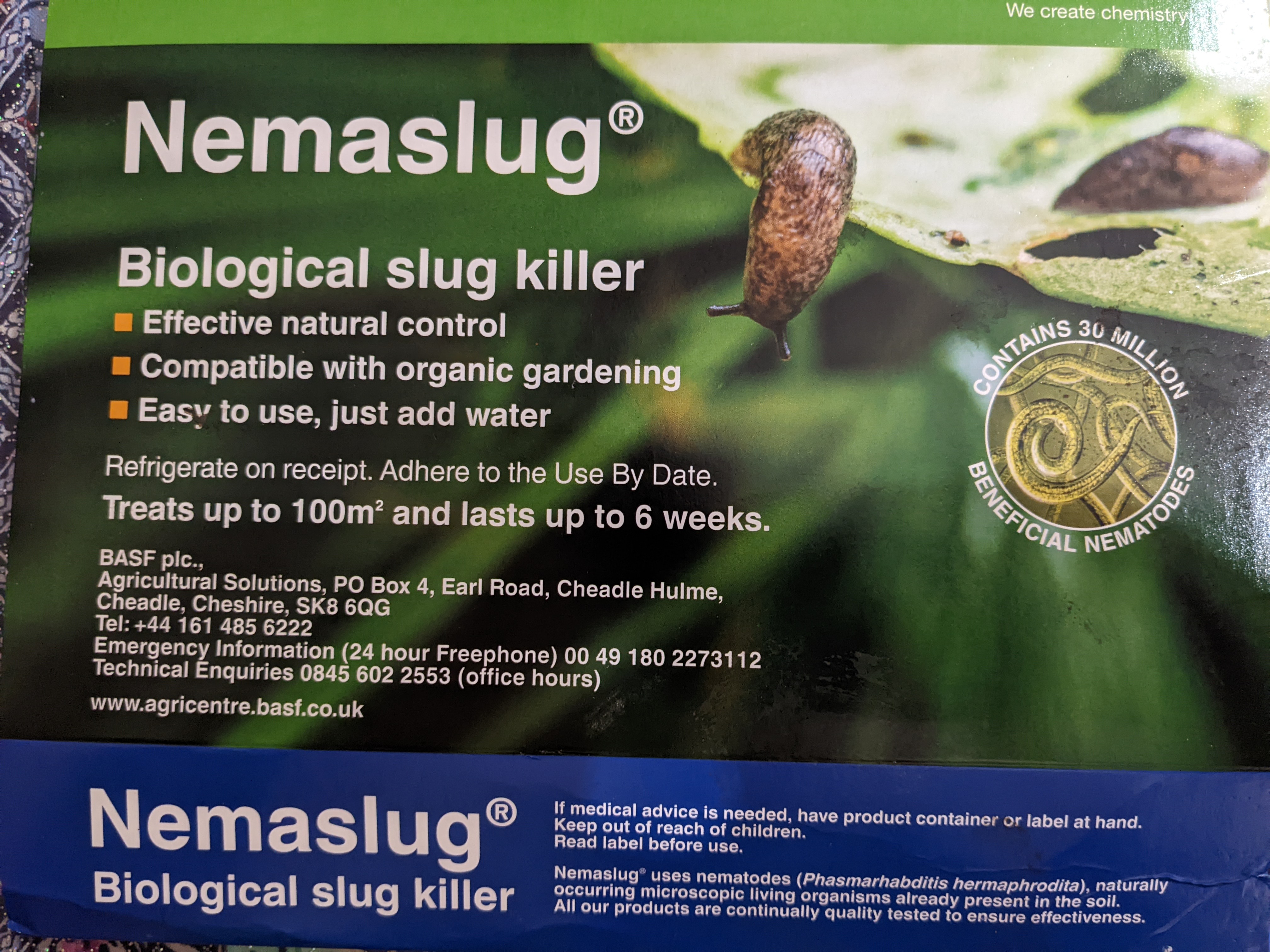
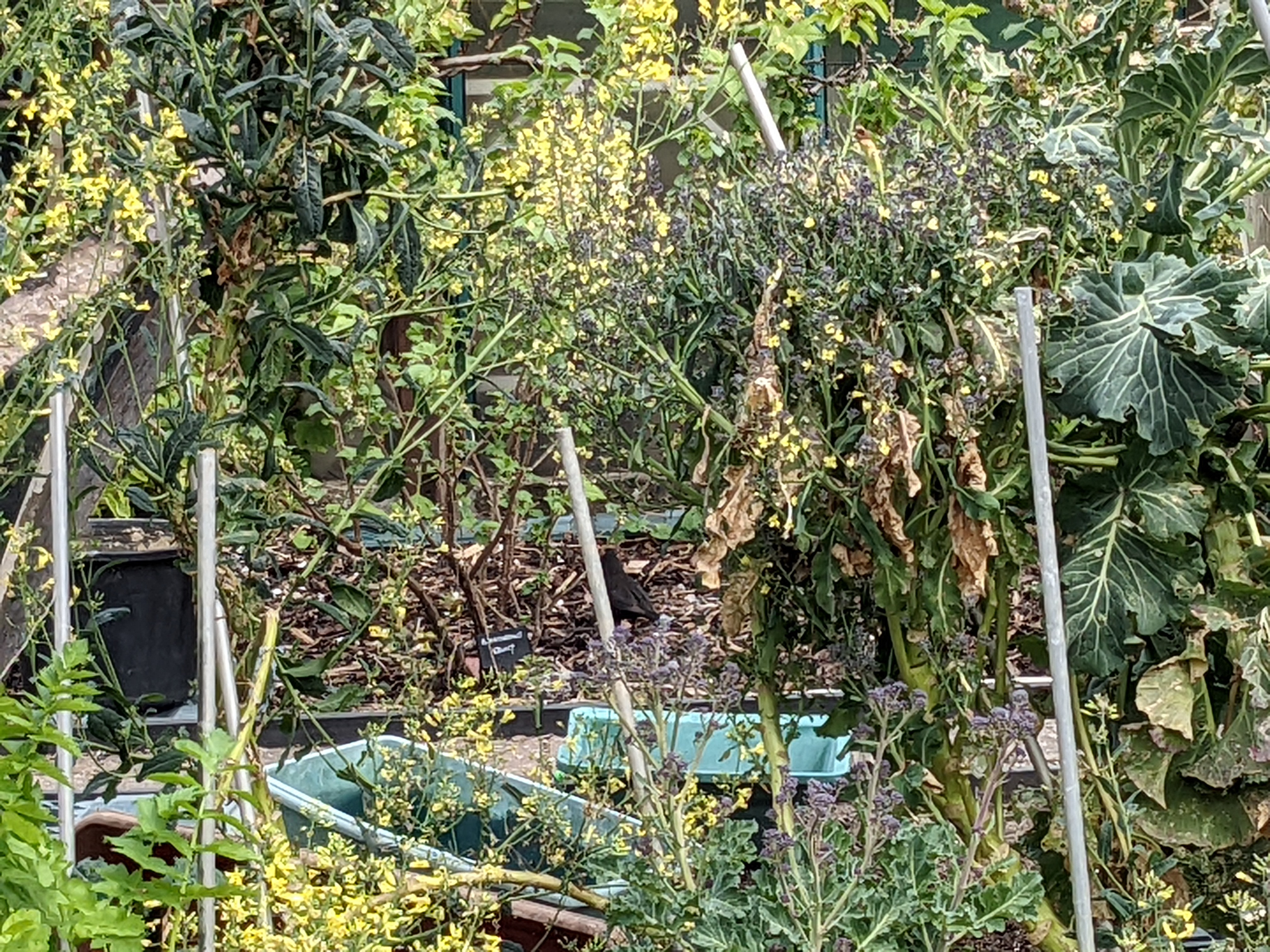
Slugfest: Nematodes vs Limax Maximus


vs


For more than half the year (Autumn, Winter and early Spring), we allow garden slugs (e.g. Limax Maximus or Leopard Slug) pretty free range to enjoy the garden and its produce. They are particularly good at hoovering up plant debris and decaying matter; although any especially voracious slugs, with a liking for plants we are fond of, are despatched to one of the hot composting bins to become next year's garden compost!

Unfortunately for the slug, we do not find their eating habits conducive to Spring/Summer sowings of our vegetables and flowers. So as April comes around, it is time to do BATTLE.

I have discussed various means of slug control in a previous post and we still use a variety of methods. However, the first line of attack is always Nemaslug, the biological slug slayer. One of the reasons I like Nemaslug, apart from the fact it works, is that it functions via a short-term increase in natural slug predators and is entirely reversible.

It is a time-consuming manual operation although there are ways to do it quicker if you have large areas to treat. To treat 100 ㎡ (i.e. an area measuring 10 m x 10 m or 5 m x 20 m), I usually set aside between half and a full day depending on how much preparation is needed (e.g. whether I need to clear the ground first). You can save time and effort by applying the nematodes to the soil immediately after rain or, even, while it is raining. The nematodes are easiest to apply to bare soil and, of course, the soil temperature needs to be above 5 ℃ which is why April is typically when the first application is made. I find two applications are sufficient with the second application approximately 6 weeks after the first.

I operate a 4-bed rotation system in the kitchen garden. The onion/garlic/leek bed is already active with the garlic planted out on 1st January (softneck) and 9th March (hardneck) and the onion sets planted out on the 19th March.

Onion/Garlic/Leek Bed (25/4/22)

Seed potatoes were planted out on the 11th April with space left for sweet corn in May/June depending on the weather.

Potato/Sweetcorn Bed (21/4/22)

That left the last year's potato/sweetcorn bed (already cleared) and the brassica bed (below) which I needed to clear first before starting the nematode treatment.

Brassica bed (21/4/22)

It has been a dry Spring overall and April (up to 25th) has been very dry; 10 mm rainfall for the month and no rain for the last 12 days. So I had to prewet the soil, apply nematodes with a watering can (coarse rose) and, then, water in the nematodes. Bare soil was covered with black plastic to reduce weed growth, retain moisture and stop the local cat population from using it as their toilet area.

Black plastic as weed & cat control

Another advantage of using black plastic is that slugs will gather underneath and they can easily be picked off and sent to a warmer place (hot compost bins). The plastic will only be down for a month or so until other veggie stuff is planted out.

Any leftover nematode suspension is applied to the fruit beds surrounding the vegetable plots and as many flower beds as possible. All-in-all, a good day's work and another 10,000 steps added to the exercise plan!


Frogspawn Update

 This year (2022), frogspawn appeared in our small garden pond on or about the 23rd March. Generally, froggie parents disappear once the eggs have been laid though they may hang around in smaller bodies of water - where else would they go? There was evidence (a splash as you approached the pond) of a frog but we did not get a good look until the 16th April when a common frog was seen sitting close to/on the remaining frogspawn. As they are not known as caring parents, he/she may just have been enjoying the warm sunshine (temperatures of 22/23 ℃ that afternoon).

Parent frog guarding its eggs (16/4/22)?

There is plenty of tadpole activity so, hopefully, a successful breeding season!?


Popular Posts

Blog Archive